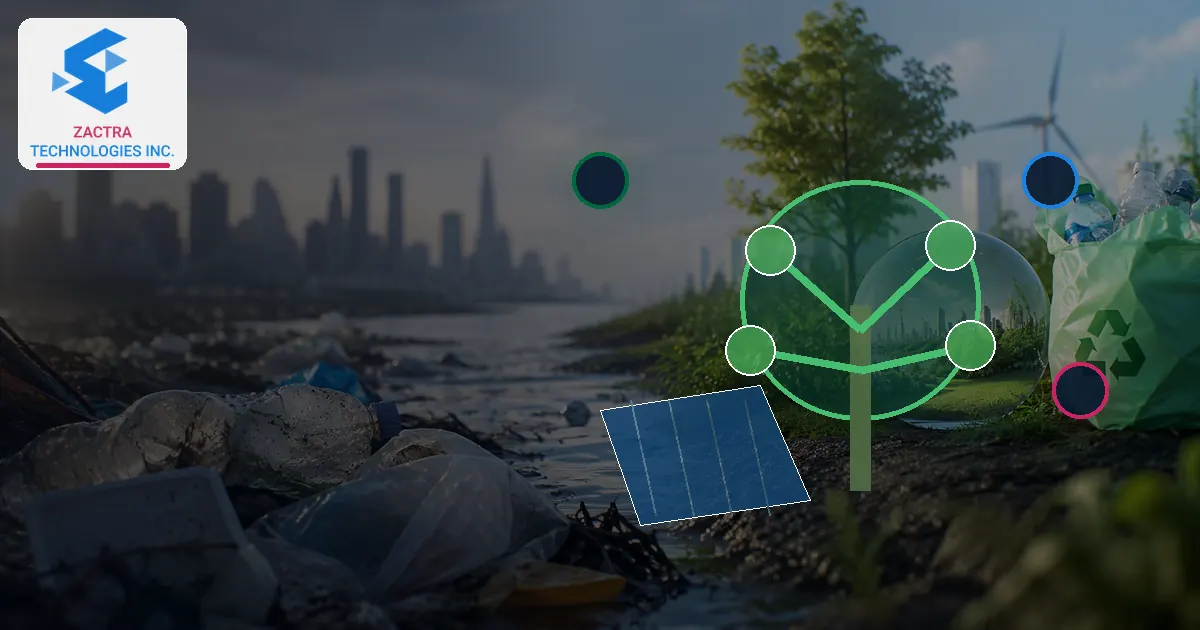
Tech for a Greener Tomorrow: Bridging the Gap Between Ecosystem and Software Development is a topic that matters because technology decisions increasingly shape customer experience, operating efficiency, security, and long-term growth. This guide explains tech for a Greener Tomorrow: Bridging the Gap Between Ecosystem and Software Development in practical terms, separates useful principles from hype, and highlights the questions teams should answer before investing.
Overview
Software development is the disciplined process of turning user and business requirements into reliable digital systems. Languages, frameworks, and tools matter, but architecture, maintainability, security, testing, and product thinking determine long-term value.
Detailed Guide
Tech for a Greener Tomorrow: Bridging the Gap Between Ecosystem and Software Development
Technology has become an integral part of our modern world, shaping industries, economies, and societies. However, its impact extends beyond human interactions; it also significantly influences the natural environment. The intricate relationship between technology, software development, and ecosystem sustainability is a complex one, with both positive and negative implications.
The Digital Footprint: A Growing Environmental Concern
The rapid growth of digital technologies has led to a surge in energy consumption and electronic waste. Data centers, which power the cloud infrastructure that underpins many software applications, are among the most energy-intensive facilities in the world. The production of electronic devices, including smartphones, computers, and servers, also consumes significant amounts of resources and generates substantial amounts of waste.
Furthermore, the internet and digital communication networks require a vast infrastructure of cables, towers, and routers that can have a negative impact on ecosystems. The construction of these facilities can lead to habitat destruction, pollution, and disruption of wildlife migration patterns.
The Potential for Positive Impact
1. AI-Powered Ecosystem Monitoring
Artificial intelligence is revolutionizing our ability to understand and protect ecosystems. Advanced algorithms can analyze vast datasets from satellites, drones, and sensors to track deforestation, wildlife populations, and climate change patterns. This real-time monitoring empowers conservationists to make data-driven decisions and intervene before irreversible damage occurs.
2. Blockchain for Sustainable Supply Chains
Blockchain technology offers a transparent and immutable ledger that can trace products from their origin to the consumer. By ensuring ethical sourcing and reducing waste, blockchain can help combat illegal logging, unsustainable fishing, and other environmental crimes. This technology is particularly valuable for industries like agriculture, forestry, and seafood, where transparency is crucial for protecting ecosystems.
3. Smart Cities and Urban Sustainability
Smart cities leverage technology to optimize resource consumption, reduce pollution, and improve quality of life. Intelligent transportation systems, energy-efficient buildings, and waste management solutions are just a few examples of how technology can help cities become more sustainable. By adopting a data-driven approach, urban planners can create more livable and environmentally friendly environments.
4. Renewable Energy and Grid Integration
Software plays a vital role in managing and optimizing renewable energy sources like solar and wind power. Intelligent grid systems can balance supply and demand, integrate distributed energy resources, and reduce reliance on fossil fuels. This shift towards clean energy not only benefits the environment but also creates new economic opportunities in the renewable energy sector.
5. E-commerce and Sustainable Packaging
The rise of e-commerce has led to a surge in packaging materials, many of which are not recyclable or biodegradable. However, innovative tech solutions are addressing this challenge. Companies are developing sustainable packaging materials, optimizing shipping routes, and exploring digital alternatives to physical products. By embracing these technologies, e-commerce can become a more environmentally friendly industry.
Harnessing Technology for Ecosystem Preservation
Precision Agriculture:
Data-Driven Farming:
Leveraging IoT sensors, drones, and AI, farmers can gather real-time data on soil conditions, crop health, and weather patterns. This information enables them to optimize resource usage, reduce chemical inputs, and minimize environmental harm.
Smart Irrigation Systems:
By monitoring soil moisture levels and weather forecasts, these systems can precisely deliver water, preventing wastage and conserving precious resources.
Wildlife Conservation:
Tracking and Monitoring:
Advanced tracking devices and AI-powered analytics can help scientists monitor wildlife populations, migration patterns, and habitat preferences. This data aids in conservation efforts and the protection of endangered species.
Illegal Wildlife Trade Combat:
Blockchain technology can be used to track the provenance of wildlife products, making it more difficult for illegal traders to operate.
Climate Change Mitigation:
Renewable Energy Optimization:
Software solutions can help optimize the performance of renewable energy sources like solar and wind power, maximizing their efficiency and reducing reliance on fossil fuels.
Carbon Footprint Reduction:
By analyzing energy consumption patterns and identifying areas for improvement, software can assist individuals and organizations in reducing their carbon footprint.
Sustainable Software Development Practices
Energy-Efficient Data Centers:
Optimization Techniques:
Software engineers can develop algorithms and tools to optimize data center operations, reducing energy consumption and minimizing their environmental impact. Renewable Energy Integration:
Data centers can be powered by renewable energy sources, further reducing their carbon footprint.
Green Coding:
Efficient Algorithms:
By writing code that is computationally efficient, developers can minimize the energy required to run applications. Resource Optimization:
Careful consideration of memory usage, network traffic, and other resources can help reduce the overall environmental impact of software.
Circular Economy Principles:
Software as a Service (SaaS):
Adopting SaaS models can reduce the need for physical hardware, minimizing waste and energy consumption.
Product Lifecycle Management:
Software tools can help manage the entire lifecycle of software products, ensuring that they are designed and developed with sustainability in mind.
Balancing the Costs and Benefits
The relationship between technology, software development, and ecosystem sustainability is a complex one, with both positive and negative implications. While the digital revolution has brought many benefits, it is essential to consider the environmental costs and take steps to mitigate them. By designing and using technology responsibly, we can harness its potential to address environmental challenges and build a more sustainable future.
To achieve a sustainable balance, it is crucial to:
Promote energy efficiency: Encourage the development and adoption of energy-efficient hardware and software.
Support circular economy practices: Promote the design and production of products that can be easily recycled, reused, or repaired.
Invest in green technologies: Support research and development of innovative technologies that can help reduce environmental impact.
Raise awareness: Educate the public about the environmental implications of technology and encourage responsible consumption.
Conclusion
The intersection of technology and sustainability offers a wealth of opportunities to create a greener world. By harnessing the power of software development, we can protect ecosystems, reduce our environmental footprint, and build a more sustainable future for all. By working together, we can ensure that technology is a force for good, contributing to a sustainable and prosperous future for both humans and the planet.
Key Takeaways
- automation of complex or repetitive workflows
- scalable products tailored to specific requirements
- integration between teams, data, and services
- faster experimentation and product improvement
- maintainable foundations for long-term digital growth
The most effective approach is to connect these ideas to a defined audience, a measurable outcome, and a realistic implementation plan. Accuracy, usability, security, accessibility, and maintainability should be treated as core requirements rather than afterthoughts.
Frequently Asked Questions
What is the main idea behind Tech for a Greener Tomorrow: Bridging the Gap Between Ecosystem and Software Development?
The main idea is to use tech greener tomorrow bridging gap to solve a defined problem more effectively. The exact approach depends on users, data, integrations, security, scale, and budget.
How should a business evaluate tech greener tomorrow bridging gap?
Start with a clear use case, measurable outcome, realistic pilot, and an assessment of technical, security, operational, and maintenance requirements.
Can Zactra help with a project related to tech greener tomorrow bridging gap?
Zactra Technologies Inc provides web, mobile, software, AI, and related digital development services. A discovery conversation can clarify scope, architecture, risks, and delivery priorities.
Final Thoughts
Tech for a Greener Tomorrow: Bridging the Gap Between Ecosystem and Software Development should be evaluated through practical value, evidence, and long-term impact. The refreshed structure keeps the depth of the original article while making it easier to read, navigate, and understand.
For a related digital initiative, Explore Zactra’s software development expertise, or contact Zactra Technologies Inc to discuss requirements and next steps.