


MongoDB vector database is a topic that matters because technology decisions increasingly shape customer experience, operating efficiency, security, and long-term growth. This guide explains mongoDB vector database in practical terms, separates useful principles from hype, and highlights the questions teams should answer before investing.
Overview
Data systems collect, organize, protect, process, and present information so teams can make reliable decisions. The architecture may include transactional databases, analytics platforms, vector search, data pipelines, dashboards, governance, and machine learning.
Detailed Guide
What is a Vector Database?
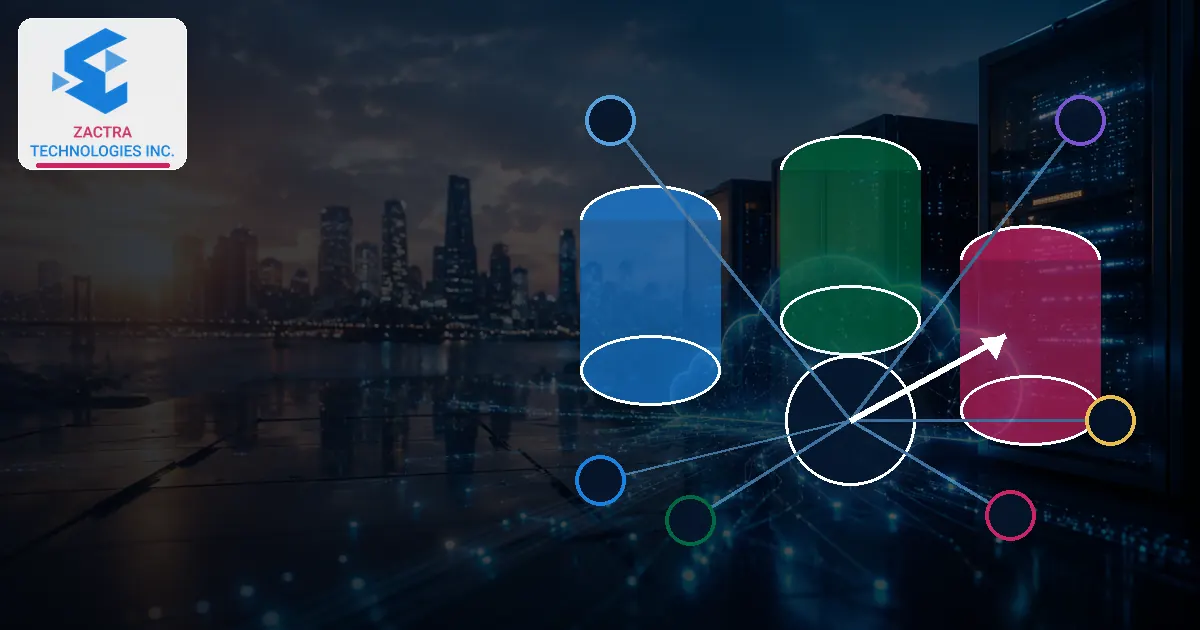
A vector database is specifically designed to handle high-dimensional vectors, which are often used in machine learning models to represent various forms of data, such as text, images, or even user behaviors. These vectors are essentially arrays of numbers that capture the essence of the data they represent. For instance, in natural language processing (NLP), word embeddings are vectors that capture semantic meanings of words. A vector database allows for efficient similarity searches, where you can find items that are closest in meaning or characteristics to a given vector.
MongoDB's Transition to a Vector Database
MongoDB has traditionally been a document-oriented NoSQL database, excelling in storing and querying semi-structured data. However, with the integration of vector search capabilities, MongoDB now supports operations that are crucial for AI/ML applications.
1. *Vector Storage and Indexing*: MongoDB allows the storage of vectors as fields within documents, providing a natural way to manage both structured and unstructured data. The database can index these vectors, enabling fast similarity searches—a critical feature for applications like recommendation engines, image recognition, and NLP.
2. *Efficient Similarity Search*: With vector indexing, MongoDB can perform nearest neighbor searches efficiently. This is essential for applications that need to compare large volumes of vectors to find the most similar ones quickly. MongoDB achieves this using advanced indexing techniques such as Approximate Nearest Neighbors (ANN), which speeds up the search process significantly while maintaining accuracy.
3. *Integration with Machine Learning Pipelines*: MongoDB's vector database capabilities are designed to integrate seamlessly with machine learning workflows. Data scientists can store model-generated vectors in MongoDB and use them for real-time inference, enhancing the responsiveness and accuracy of AI applications.
Use Cases of MongoDB as a Vector Database
1. *Recommendation Systems*: Retailers can use MongoDB to store product embeddings and user interaction vectors. By querying these vectors, the system can recommend products that are most similar to those the user has interacted with, thereby improving the shopping experience.
2. *Image and Video Search*: In media management systems, MongoDB can store feature vectors extracted from images or videos. Users can then search for similar media content by uploading a new image or video, and the system will return the closest matches.
3. *Natural Language Processing*: For applications that involve text processing, MongoDB can store word embeddings or sentence embeddings. This allows for efficient similarity searches, such as finding documents with content similar to a given query.
Advantages of Using MongoDB for Vector Search
- *Scalability*: MongoDB is built to scale horizontally, meaning it can handle large datasets and high throughput, which is often required for AI/ML applications involving vectors.
- *Flexibility*: Being a NoSQL database, MongoDB offers flexibility in schema design, allowing developers to store complex, multi-dimensional data alongside traditional document data.
- *Rich Ecosystem*: MongoDB’s ecosystem includes a variety of tools and services, such as Atlas (a fully managed cloud database service), which now supports vector search, making it easier to deploy and manage vector-based applications.
Conclusion
The integration of vector database capabilities into MongoDB represents a significant step forward in the database's evolution. By enabling efficient storage, indexing, and querying of high-dimensional vectors, MongoDB now serves as a powerful tool for organizations looking to build and scale AI-driven applications. This evolution not only broadens MongoDB’s use cases but also solidifies its position as a versatile database solution in the era of big data and AI.
For organizations looking to leverage these capabilities, MongoDB offers a robust, scalable, and flexible platform that can support the most demanding AI/ML workloads.
Key Takeaways
- a consistent view of customers and operations
- faster reporting and evidence-based decisions
- reliable inputs for automation and AI
- improved forecasting and anomaly detection
- stronger governance, traceability, and data quality
The most effective approach is to connect these ideas to a defined audience, a measurable outcome, and a realistic implementation plan. Accuracy, usability, security, accessibility, and maintainability should be treated as core requirements rather than afterthoughts.
Frequently Asked Questions
What is the main idea behind MongoDB vector database?
The main idea is to use MongoDB vector database to solve a defined problem more effectively. The exact approach depends on users, data, integrations, security, scale, and budget.
How should a business evaluate MongoDB vector database?
Start with a clear use case, measurable outcome, realistic pilot, and an assessment of technical, security, operational, and maintenance requirements.
Can Zactra help with a project related to MongoDB vector database?
Zactra Technologies Inc provides web, mobile, software, AI, and related digital development services. A discovery conversation can clarify scope, architecture, risks, and delivery priorities.
Final Thoughts
MongoDB vector database should be evaluated through practical value, evidence, and long-term impact. The refreshed structure keeps the depth of the original article while making it easier to read, navigate, and understand.
For a related digital initiative, Explore Zactra’s data and analytics capabilities, or contact Zactra Technologies Inc to discuss requirements and next steps.